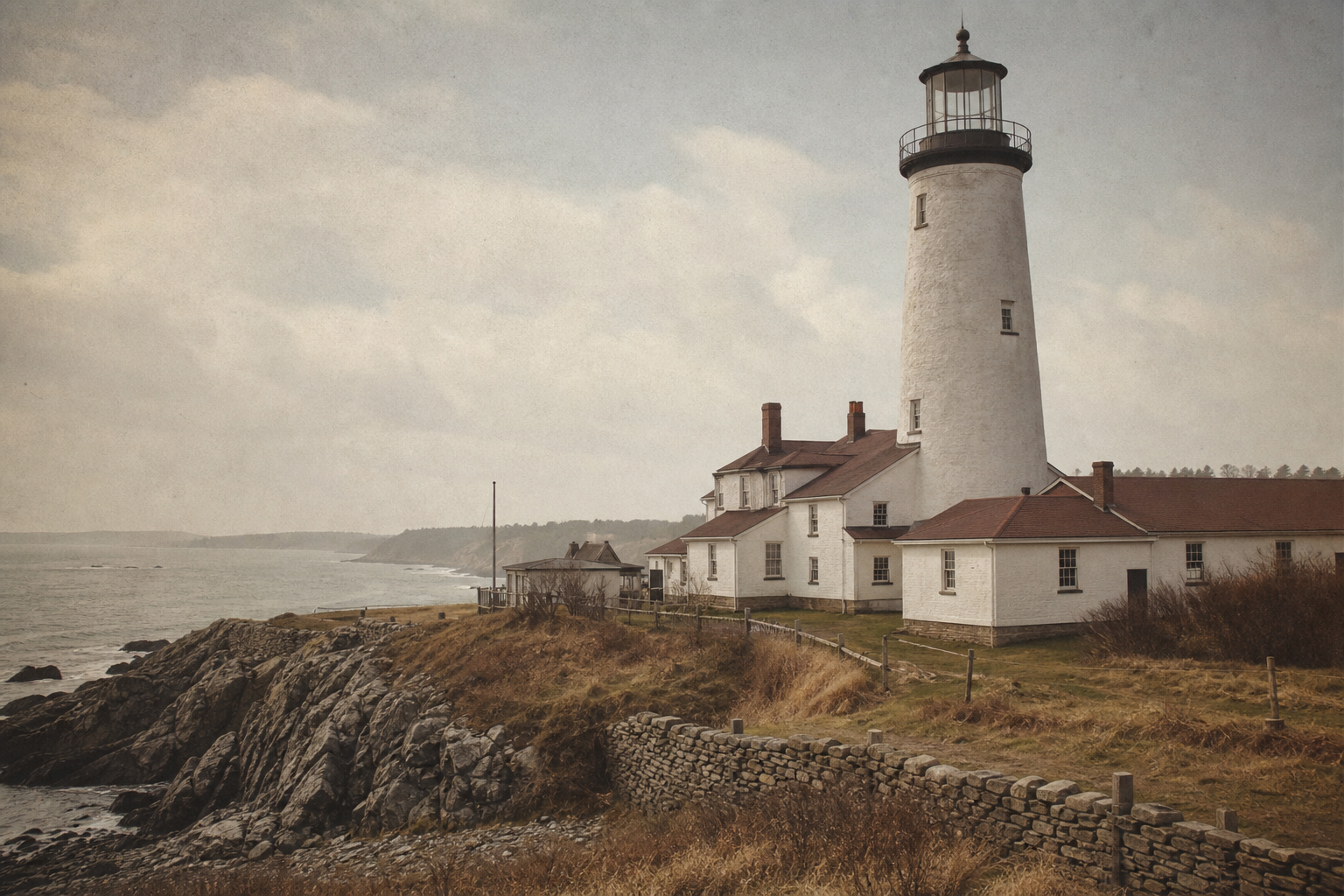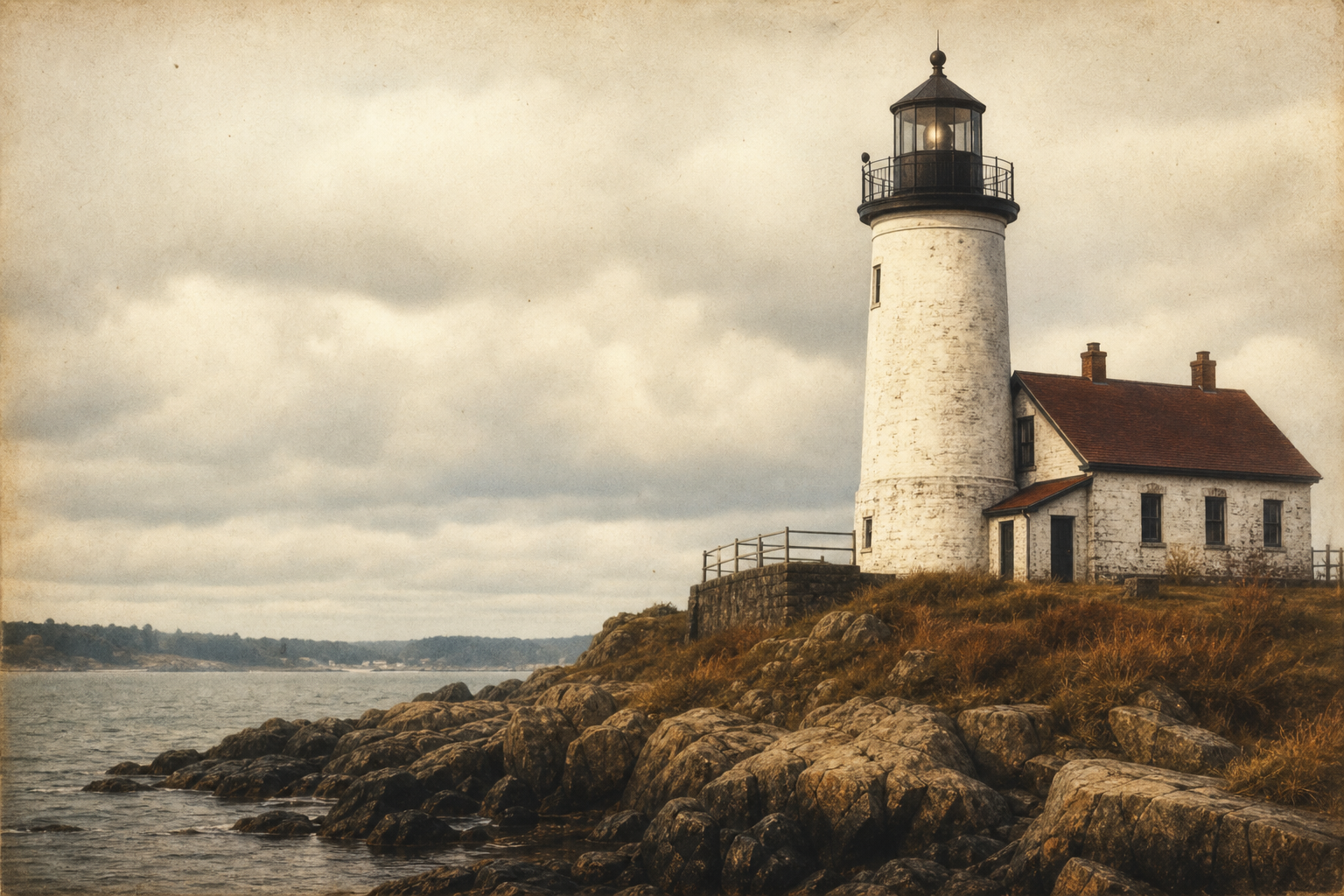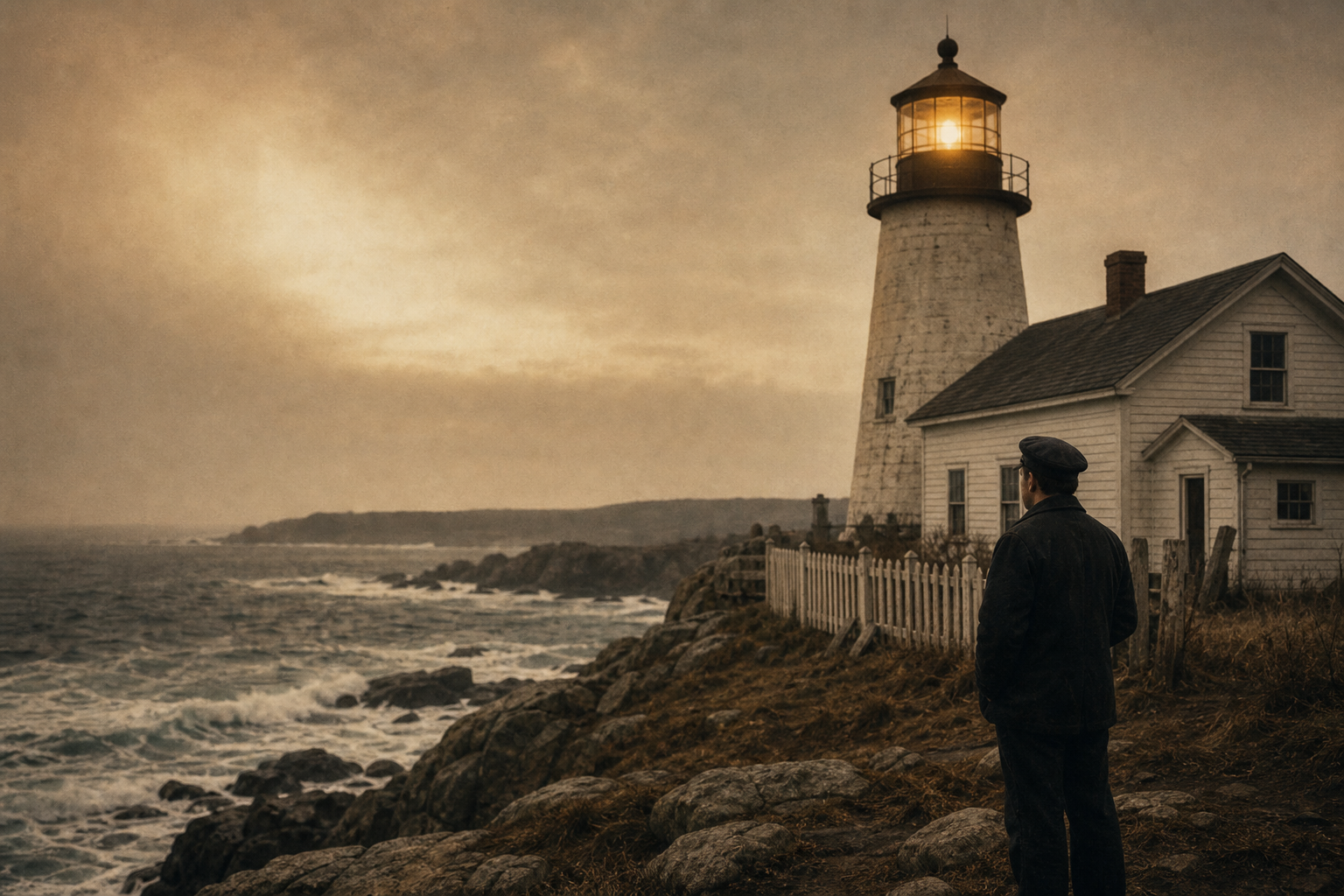
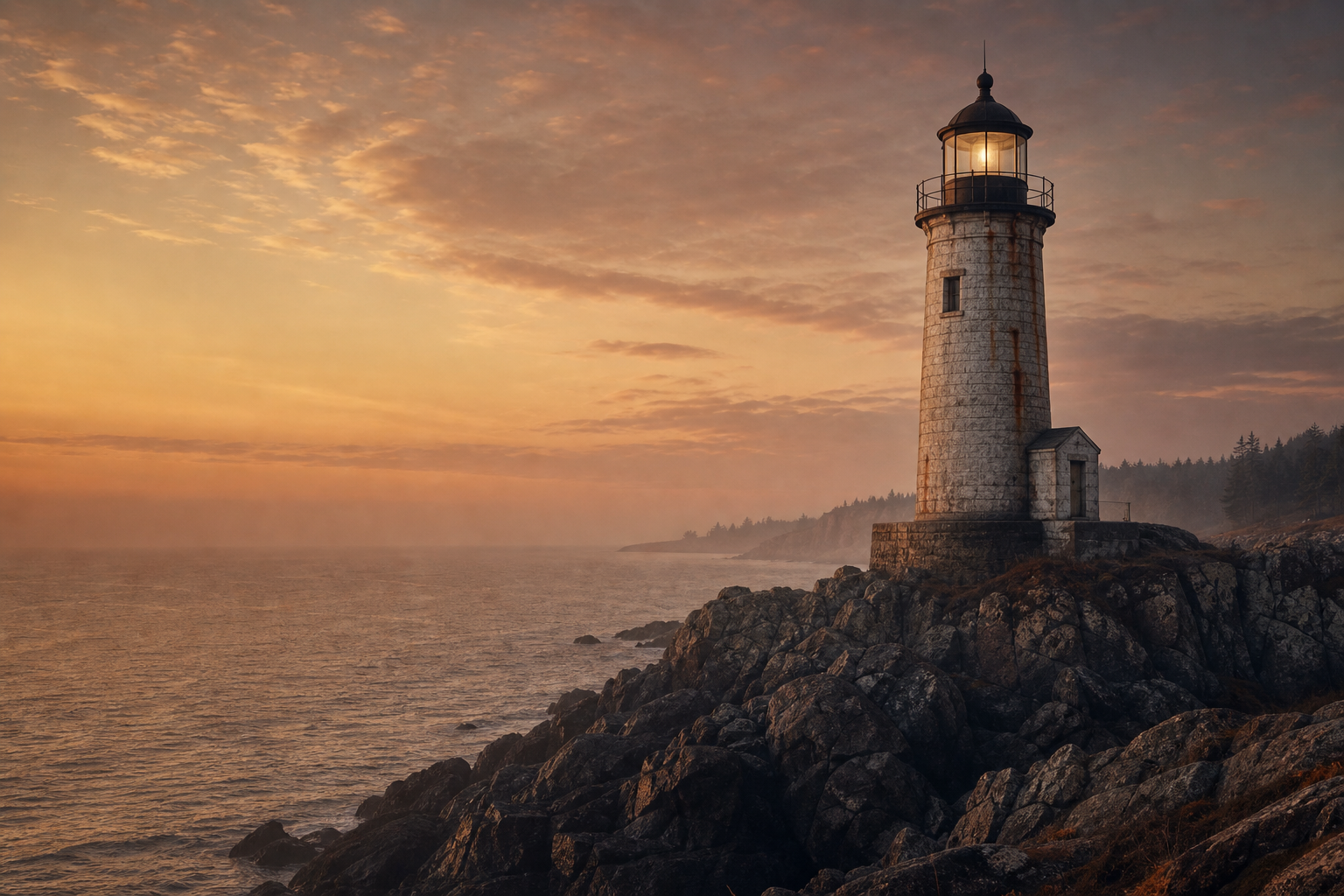
Warm archival film-style scene of a solitary northern-coast lighthouse with weathered stone, sea haze, and muted sunset light

Northern Coast Heritage Archive

Lighthouses of the Northern Coast

A historical archive of coastal photography, keeper stories, and preserved towers that map the working memory of navigation along the northern shore.

  • Archival photography
  • Keeper accounts
  • Preserved towers

History introduction

Where the coast learned to signal

From storm fronts to shipping lanes, these towers became a practical language for weather, trade, rescue, and safe navigation.

Along the northern shoreline, lighthouse stations linked fishing villages, cargo routes, and harbor authorities with dependable light and coded warnings. Their beams and bells translated changing sea conditions into decisions mariners could act on within minutes.

  • Early warning systems for fog, winter gales, and sudden pressure shifts.
  • Night routing support for timber, grain, and coastal trade convoys.
  • Rescue coordination points where keepers logged incidents and launched aid.
  • Community memory archives preserved through keeper logs, charts, and oral history.

Today, preservation teams treat each surviving tower as working evidence of coastal labor and navigation history, maintaining structures and records so future research remains grounded in place.
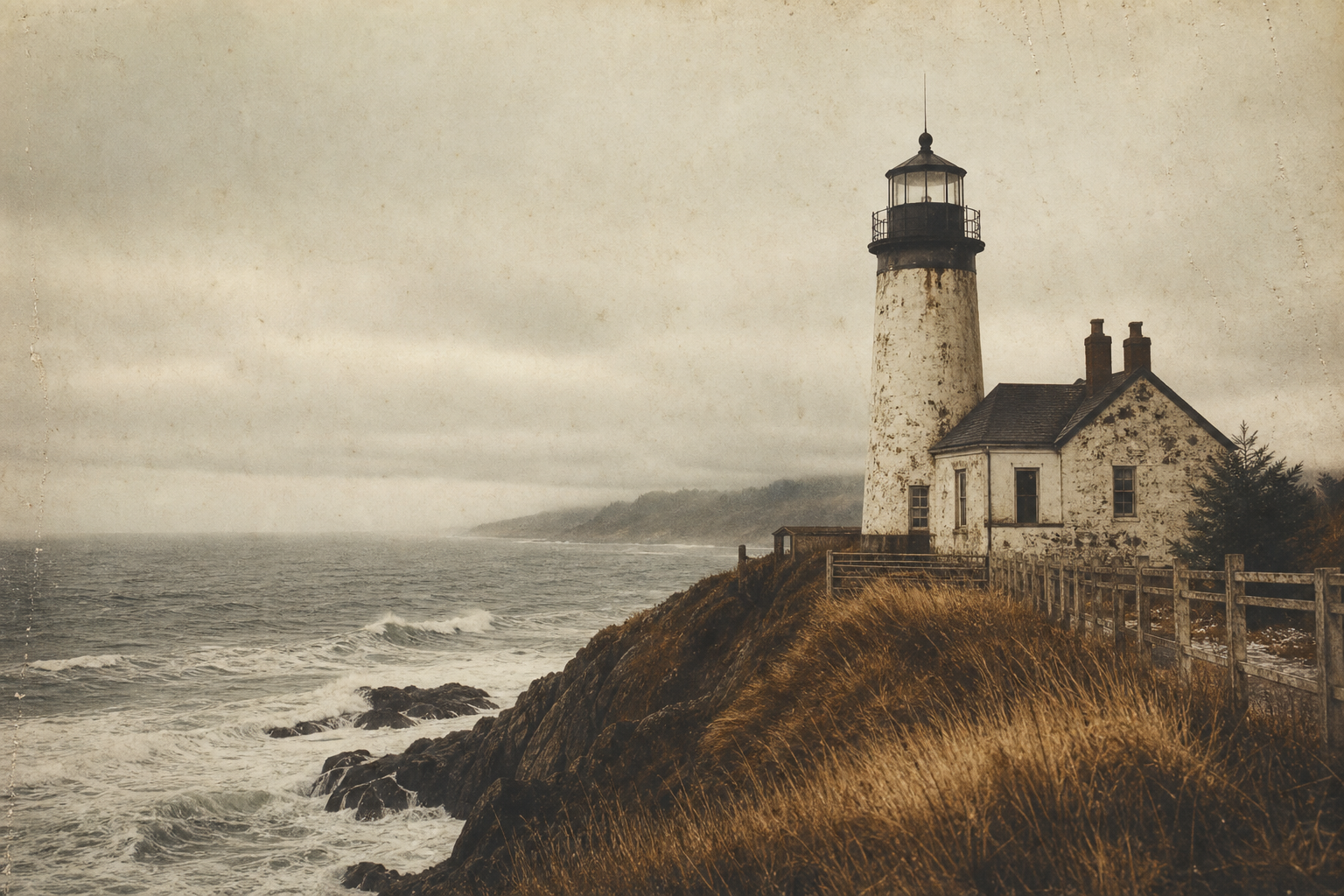
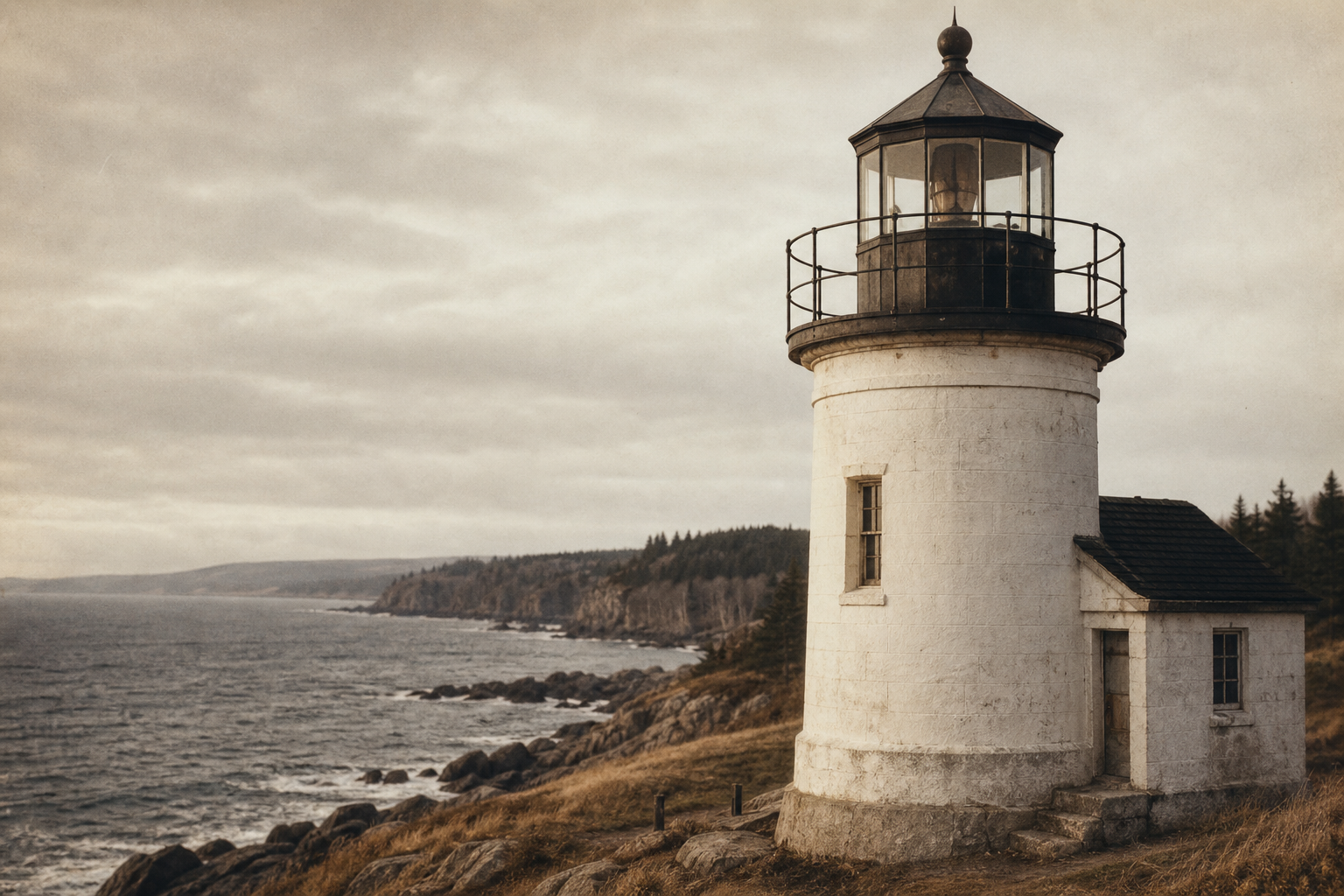
Quick reference

Coastline highlights

Northern headlands

Wind-carved promontories shaped sightlines where mariners depended on reliable lamps through fog and surf.

Keeper routine

Daily tending of lens, fuel, and weather logs sustained the steady rhythm that guided coastal passage.

Surviving towers

A select chain of preserved structures still marks historic routes, maintenance traditions, and regional identity.

Archival memory

Photographs and keeper notes preserve working details that keep maritime memory clear for new readers.

Archive collections

Browse the coast through preserved visual records

Explore focused archive groupings that pair coastal imagery with concise historical context for quick reference.

Storm-season photographs archival photograph

Storm-season photographs

Sea spray, lantern glow, and weather-dark horizons from difficult months on the northern coast.

Tower details archival photograph

Tower details

Close studies of masonry, lantern glass, railings, and weathered surfaces that define each structure.

Service buildings archival photograph

Service buildings

Engine rooms, keeper quarters, and store sheds that reveal the working life around each light.

Coastal approaches archival photograph

Coastal approaches

Views from the water and cliff paths that show how mariners and visitors first encountered the towers.

Keeper Stories

Human voices behind the coastal lights

These short vignettes shift from stone towers to lived memory—night watches, weather logs, and everyday routines that made each lighthouse a working home as much as a navigational mark.

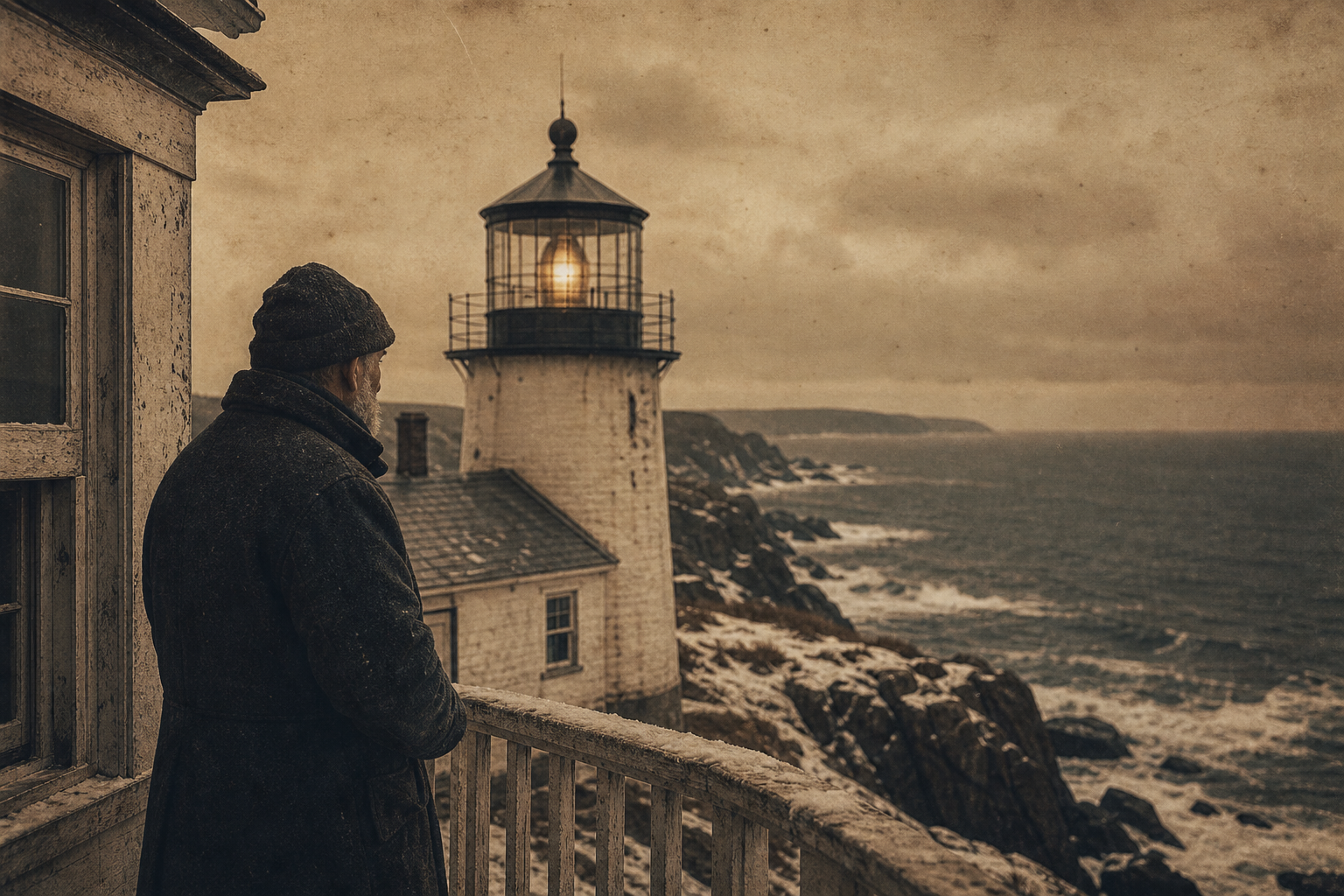
The night watch in winter archival keeper story image

Keeper vignette

The night watch in winter

A keeper trims the lamp, checks the glass, and listens to wind against the lantern while the sea disappears into darkness.

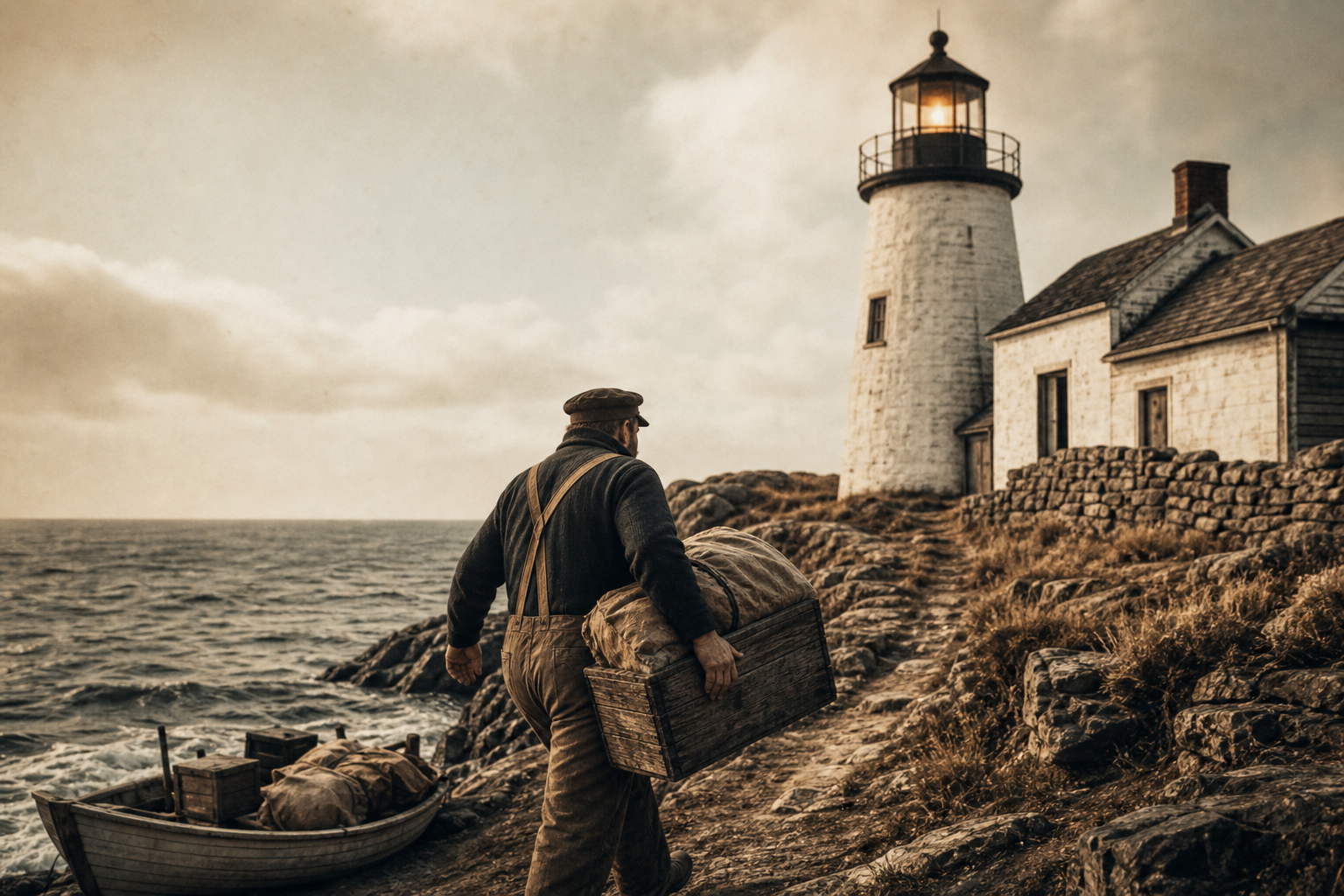
Supply days at the headland archival keeper story image

Keeper vignette

Supply days at the headland

Food, fuel, and letters arrive with the weather, turning an ordinary landing into the most anticipated moment of the week.

After the fog bell archival keeper story image

Keeper vignette

After the fog bell

The work continues after the signal sounds, with notes in the logbook, damp boots at the door, and dawn still far off.

Continue to the preserved towers map for locations, current condition notes, and restoration references.

Go to preserved towers map

Preserved towers along the northern coast

This illustrated map offers an at-a-glance reference to surviving lighthouse sites, their relative position, and coastal setting.

Visit & Research

Frequently asked questions

Practical notes for visitors, students, and researchers using this lighthouse reference.

Are all of the lighthouses still standing?

Some towers remain fully intact, while others survive as partial structures or documented historic sites with recorded remains.

Can visitors enter the preserved towers?

Access differs by location and local stewardship arrangements; some towers offer scheduled entry, while others are view-only from surrounding grounds.

Are the photographs contemporary or archival?

The collection is primarily archival, with selected modern reference views added only where they help clarify present-day condition or context.

May educators use this site in class?

Yes. The material is structured as a general educational reference suitable for classroom discussion, independent study, and local history projects.

Does the map show every historic light on the coast?

No. It emphasizes preserved towers and notable surviving sites rather than attempting a complete list of every former lighthouse station.